Care Tips

The Complete Guide to Caring for Handmade Rugs

Your rug is a living investment. Proper care doesn't just preserve it — it makes it more beautiful with age. Here's everything you need to know.
Date08/05/2025
AuthorNasim Carpets Team
Read6 min
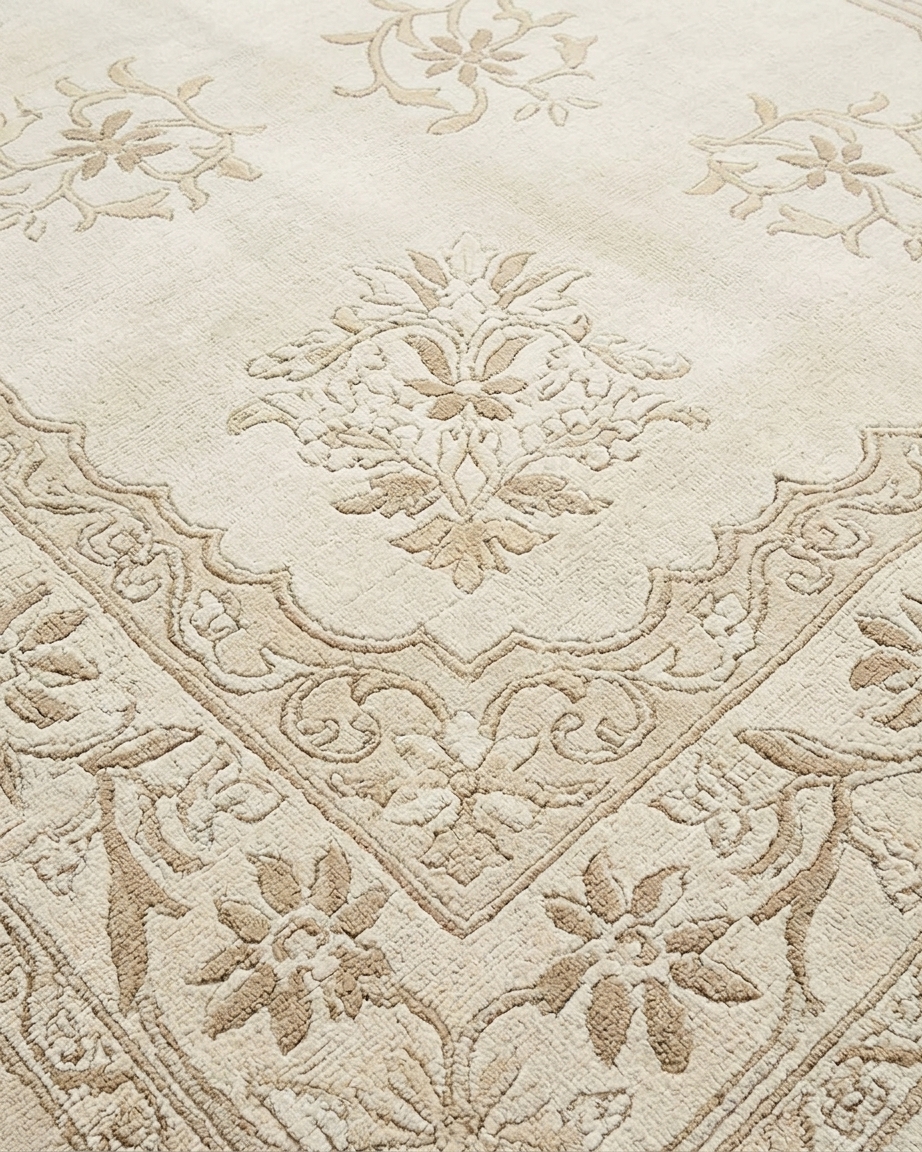
Close-up detail of handmade rug fibres showing texture and quality

A handmade rug is not a disposable furnishing. It is a woven textile designed to last 80 to 200 years — longer than the house it sits in. But longevity requires intention. The difference between a rug that degrades over a decade and one that improves over a century comes down to how it is cared for.

This is not a list of anxious precautions. Handmade rugs are remarkably resilient. They were designed for life — walked on, played on, lived on. What follows is practical, straightforward care that protects your investment without turning you into a museum guard.
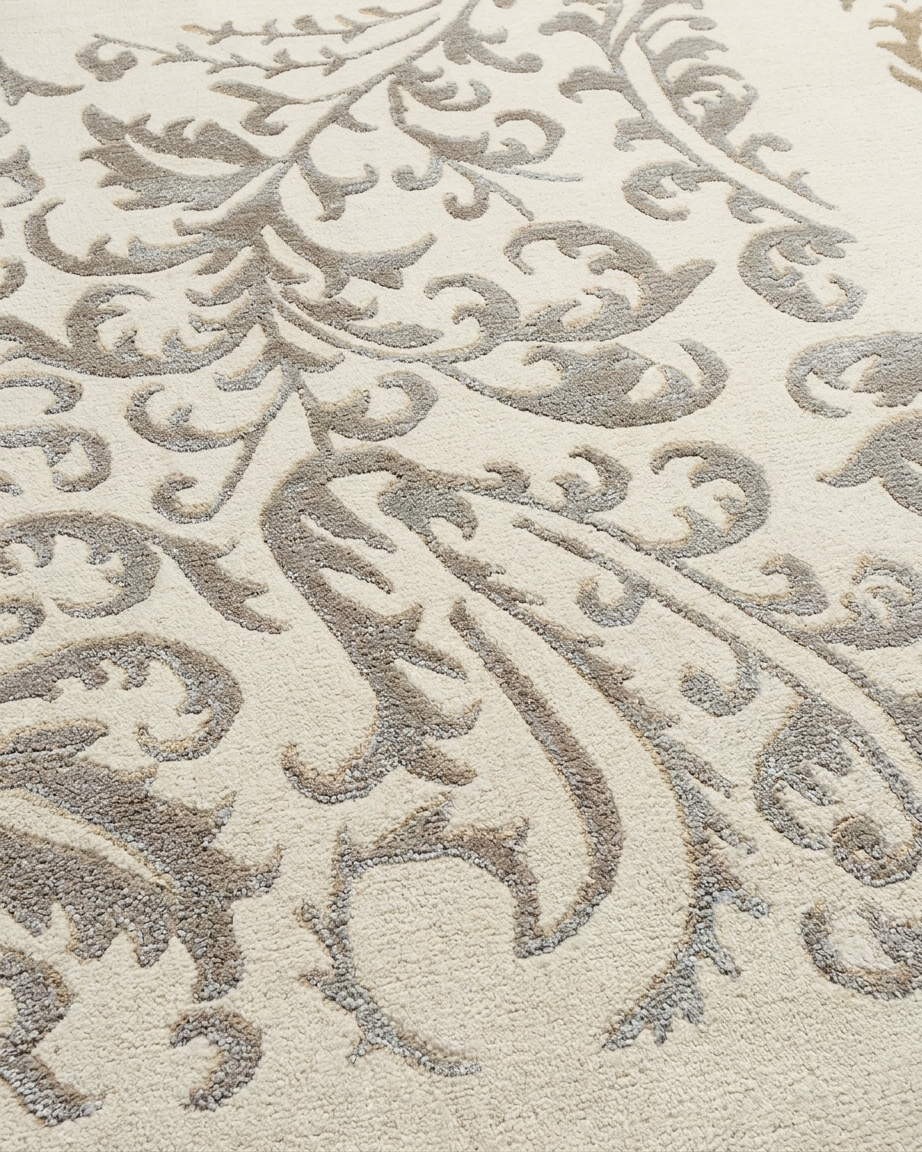
Handmade rug fibres showing the quality and texture of hand-knotted wool
Hand-knotted wool — naturally resilient, naturally beautiful

Weekly Maintenance

The single most important thing you can do for your rug is vacuum it regularly — and vacuum it correctly.

Do:

  • Vacuum the top side weekly with a suction-only setting (no beater bar)
  • Vacuum the underside once a month — this removes grit that works its way through the pile and cuts fibres from below
  • Always vacuum **with** the direction of the pile, not against it
  • Rotate your rug 180 degrees every three to six months to equalise wear and sun exposure
  • Don't:

  • Never use a rotating brush or beater bar — it pulls and tears hand-knotted fibres
  • Never vacuum the fringes — they are structural warps, not decorative. Tuck them under the rug or gently shake them out by hand
  • Avoid robotic vacuums on fringed rugs — they are notorious for tangling and pulling warps
  • Spot Cleaning

    Spills are not emergencies. Wool is naturally water-resistant — you have more time than you think.

    The golden rule: Blot, never rub. Rubbing pushes the stain deeper into the fibres and can distort the pile direction.

    For liquid spills (wine, coffee, juice):

  • Blot immediately with a clean white cloth, working from the outside in
  • Apply cold water — never hot — and blot again
  • For stubborn stains, mix one teaspoon of white vinegar with one litre of cold water and apply gently
  • Let the rug air-dry naturally. Never use a hairdryer or heater — rapid drying can cause shrinkage and colour bleeding
  • For silk rugs: Do not attempt spot cleaning. Silk fibres are far more delicate than wool. Blot the excess and call a professional.

    Professional hand-washing — the safest way to deep-clean a handmade rug

    Professional Cleaning

    Even with perfect home care, your rug needs professional cleaning every two to three years. Professional hand-washing does what vacuuming cannot: it flushes out deep-seated grit, restores pile lustre, and revives colours that have dulled under a fine layer of atmospheric dust.

    What to expect:

  • A full hand-wash takes 3 to 5 days (including drying)
  • The rug is submerged in cold water with pH-neutral detergent
  • It is gently scrubbed by hand with soft brushes, working with the pile
  • Rinsed thoroughly until the water runs clear
  • Laid flat or hung to dry in controlled conditions
  • What to avoid: Machine washing, steam cleaning, and dry cleaning. All three can damage the foundation, bleed dyes, or leave chemical residues in the fibres. If a cleaner suggests any of these methods for a handmade rug, find a different cleaner.

    Clean hand-knotted wool fibres — the result of proper care
    Silk and wool fibres showing the lustre restored by professional cleaning

    Storage

    If you need to store a rug — during a move, renovation, or seasonal rotation — do it correctly or not at all. Improper storage is the number one cause of moth damage.

    The method:

  • Clean the rug professionally before storage (moths are attracted to food residue and body oils, not wool itself)
  • Roll the rug face-inward around a clean cardboard tube — **never fold**. Folds create permanent crease lines and stress the foundation
  • Wrap loosely in breathable fabric (cotton sheeting, not plastic). Plastic traps moisture and creates a breeding ground for mould
  • Store in a cool, dry, dark space with air circulation
  • Place cedar blocks or lavender sachets nearby as natural moth deterrents — avoid mothballs, which leave a persistent chemical odour
  • Check stored rugs every 3 to 4 months. Unroll, inspect for moth casings or larvae, air briefly, and re-roll.

    When to Call a Professional

    Some damage requires specialist intervention. Don't attempt DIY repairs on:

  • **Fringe loss or fraying** — Fringes are structural warps. Knotting them yourself can unravel the rug's edge
  • **Moth holes** — Even small holes need re-knotting by hand to prevent further unravelling
  • **Colour bleeding** — If colours have run (usually from water damage), professional colour stabilisation can sometimes reverse it
  • **Foundation wear** — If you can see the cotton or silk foundation through the pile, the rug needs re-piling before the damage becomes irreversible
  • **Curling edges** — Often caused by uneven tension. A professional can re-bind the selvedge
  • Beautiful handmade rug in a living room — properly cared for and thriving
    A well-cared-for rug doesn't just last — it gets better with time

    Free Care Consultation

    Not sure what your rug needs? Nasim Carpets offers complimentary care consultations. Bring your rug to our showroom or send us photos via WhatsApp — we'll assess its condition and recommend the right care plan.

    We also offer professional rug washing and repair services in-house. Your rug never leaves our care.

    CARECLEANINGMAINTENANCEGUIDE