Buying Guide
Understanding KPSI: The Truth About Rug Quality
KPSI is the most-cited metric in rug buying — and the most misunderstood. Here's what knot density actually tells you, and what it doesn't.
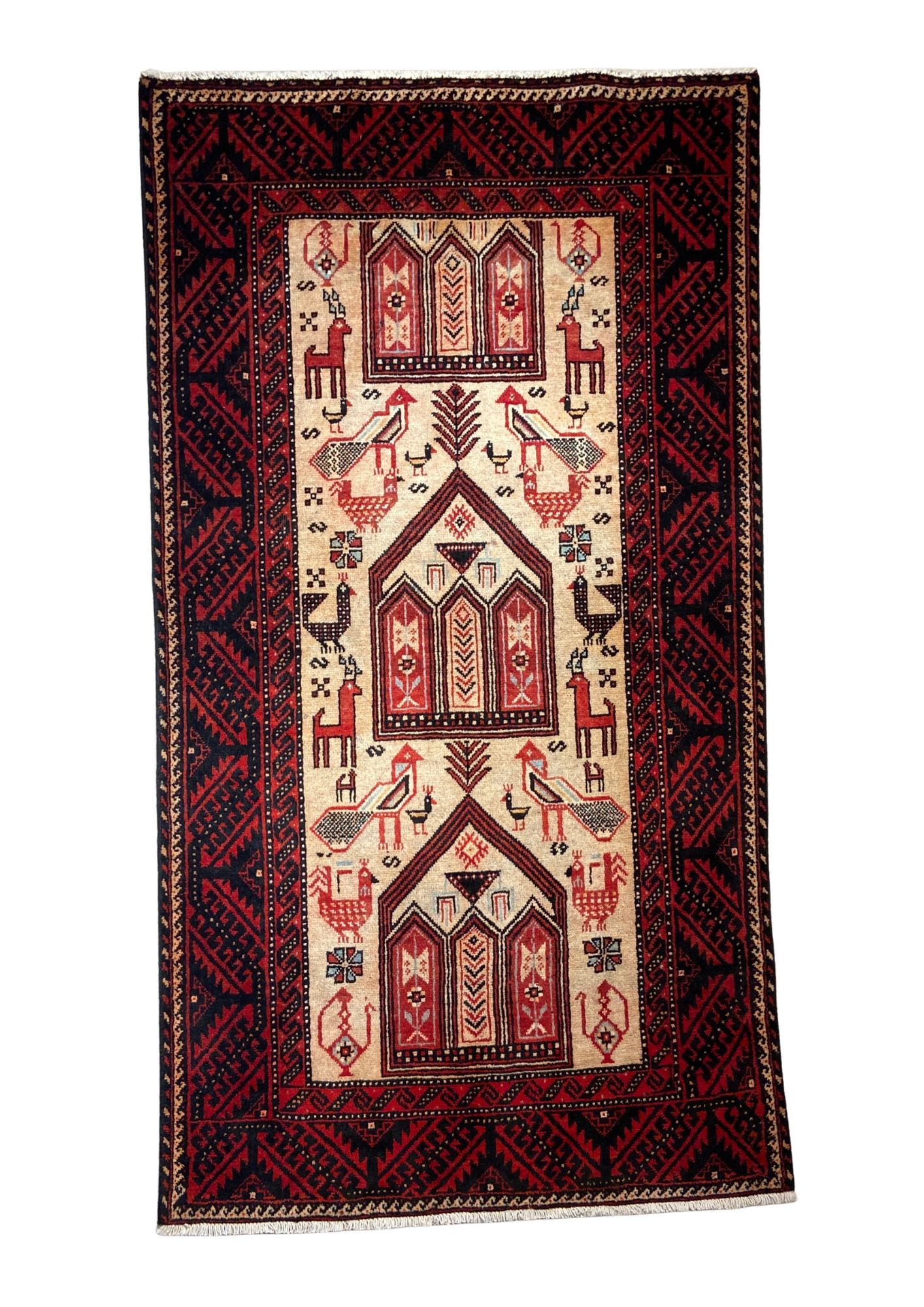
Walk into any rug shop in the world and within five minutes someone will mention KPSI — Knots Per Square Inch. It is the metric that dealers quote, collectors debate, and first-time buyers fixate on. A higher number must mean a better rug, right?
Not necessarily. KPSI is one data point in a complex equation. Understanding what it measures — and what it doesn't — is the difference between buying intelligently and buying by numbers.
What Is KPSI?
KPSI stands for Knots Per Square Inch. It measures how many individual knots are tied into every square inch of the rug's foundation.
How it's measured: Flip the rug over. Count the number of knots in a one-inch horizontal line, then count a one-inch vertical line. Multiply the two numbers. A rug with 16 horizontal knots and 18 vertical knots per inch has a KPSI of 288.
Two knot types:
Neither type is inherently superior. They are different tools for different design traditions.
KPSI by Region
Different weaving traditions produce vastly different knot densities — and this is by design, not by limitation.
Does Higher KPSI Mean Better Quality?
No. This is the most important sentence in this article.
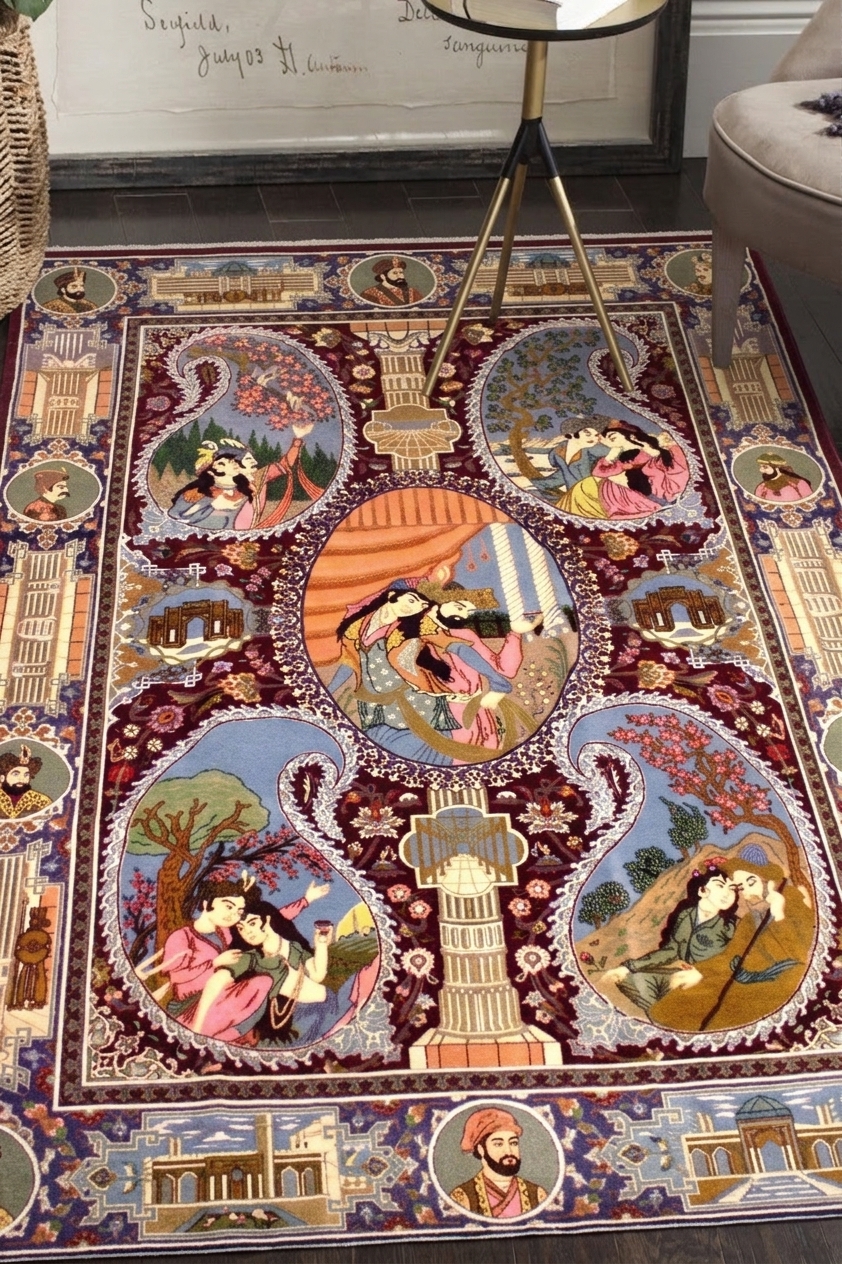
A tribal Gabbeh with 40 KPSI, woven from hand-spun wool with natural dyes by a nomadic family, can be more valuable — aesthetically, culturally, and financially — than a machine-assisted 300 KPSI rug with synthetic materials.
KPSI measures density, not quality. Quality is the sum of:
The right question is not "How many knots?" but "Are the knots doing justice to the design?"
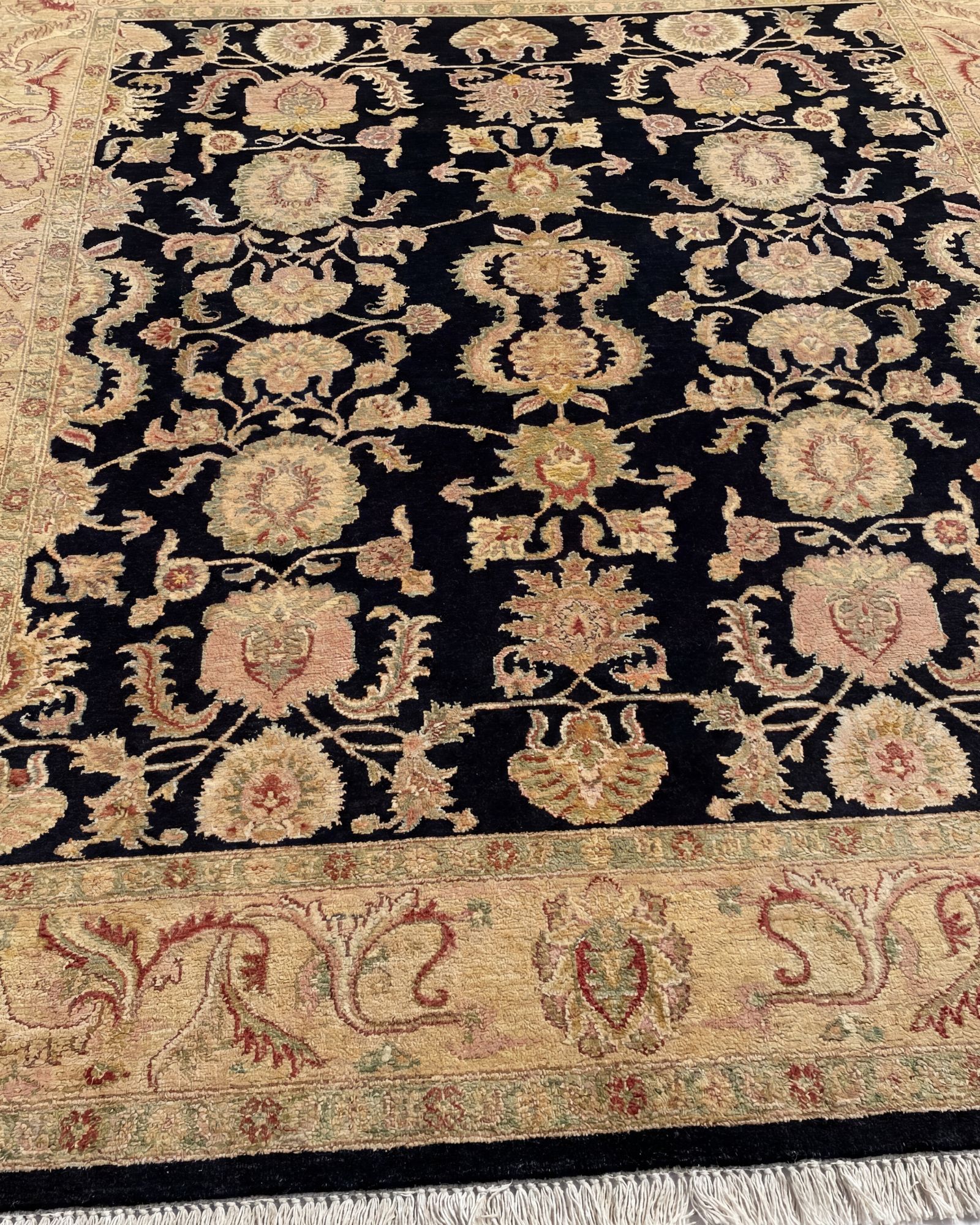
The art of hand-knotting — each knot tied individually, one at a time
A Buyer's Framework
Instead of leading with KPSI, we recommend a holistic evaluation:
1. The Hand Test — Run your palm across the pile. Quality wool feels springy and alive. Poor wool feels limp or scratchy. Silk should feel cool and slip through your fingers.
2. The Colour Test — View the rug in natural daylight. Natural dyes produce colours that shift from warm to cool depending on the viewing angle (called *abrash*). Synthetic dyes look the same from every direction.
3. The Reverse Test — Flip a corner. The pattern should be clearly visible on the back. Fuzzy, indistinct backs indicate lower knot quality or a hand-tufted (not hand-knotted) construction.
4. The Foundation Test — Press your thumb into the pile and spread the fibres. You should see the cotton or silk warps of the foundation. The foundation should feel tight, not loose or saggy.
5. The Flex Test — Bend the rug backward gently. A well-made rug flexes without cracking. If you hear snapping sounds, the foundation may be overly dry or brittle.
The Bottom Line
KPSI is a useful starting point — like knowing a wine's vintage before tasting it. But it is never the whole story. The best rug buyers we know never ask about KPSI first. They walk into a room, find the rug that stops them, and then learn everything about it.
Visit Nasim Carpets to feel the difference that quality makes — in any knot count. We'll show you the reverse side of every rug in the showroom. No metric tells the story better than seeing the construction with your own eyes.
More from the Journal