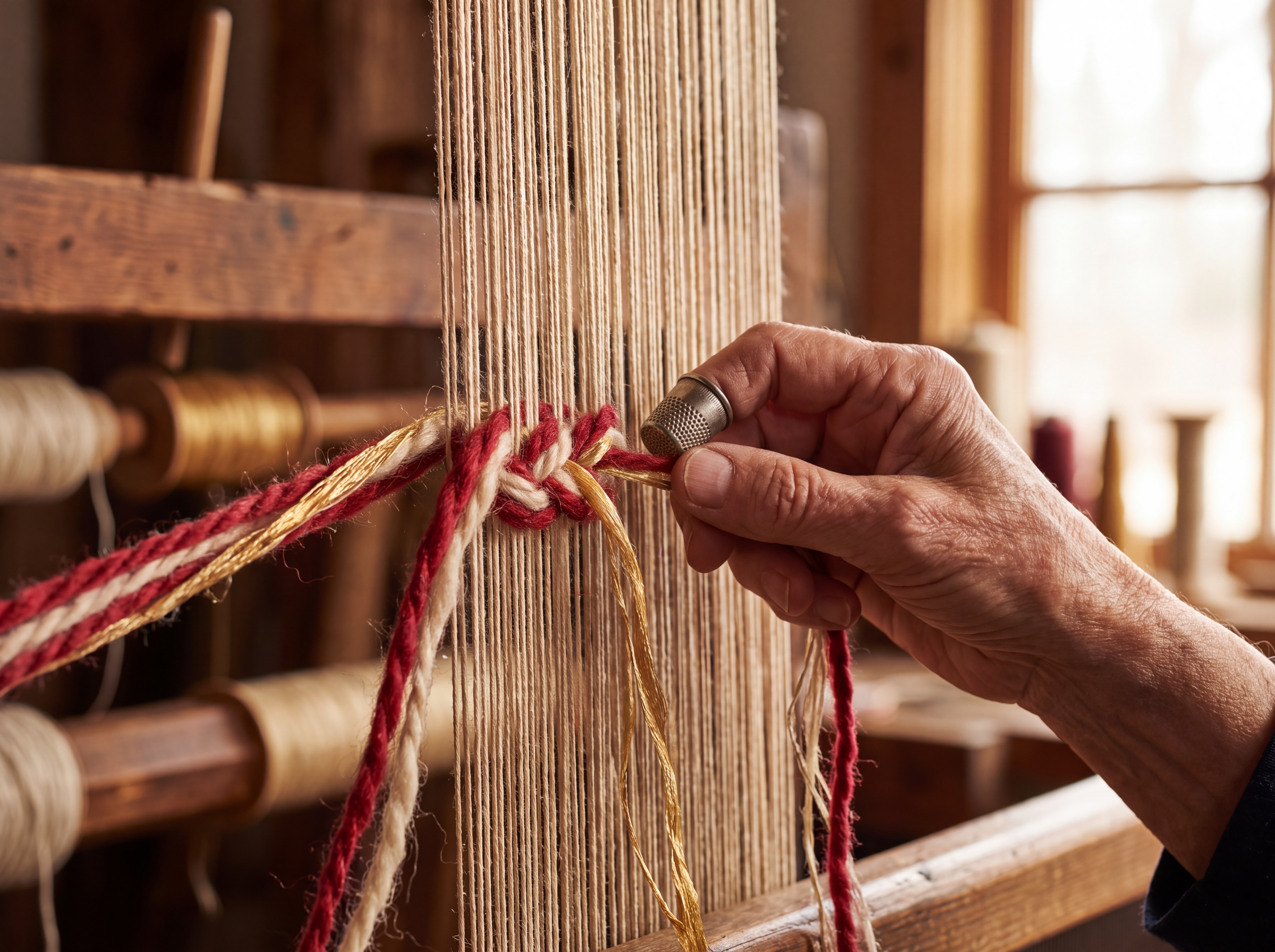
Heirloom Hand-Knotting
Tied knot by knot in Iran to last for generations.
Tabriz, the ancient capital of Azerbaijan province in northwestern Iran, stands as one of the most technically sophisticated weaving centres in the Persian rug tradition, celebrated for its architectural precision, encyclopaedic motif vocabulary, and capacity to absorb and reinterpret artistic influences from China, the Ottoman court, and Safavid royal ateliers.
This large-format piece presents a densely articulated all-over vase composition across a warm antique ivory field, wherein an assemblage of distinct ornamental vessels — ranging from bulbous Chinese-form jars with calligraphic cartouches and phoenix imagery to classical Persian ewers and footed urns — are distributed across the ground and connected by sinuous arabesque vines bearing lotus blossoms, carnations, and feathery leaves rendered in a palette of salmon rose, steel blue, terracotta, muted olive, and gold against the cream ground.
Several of the larger central vessels carry what appear to be Arabic or Persian calligraphic inscriptions, a hallmark of high-workshop Tabriz production referencing literary or devotional sources. The border system is structured with considerable formality: a wide salmon-rose main guard carries oval and circular medallion cartouches enclosing individual vases and animal figures, flanked by narrow reciprocal vine guards and a dark navy outermost frame, a treatment consistent with the city's workshop tradition of treating the border as a parallel narrative to the field. The overall effect is one of quiet scholarly opulence — a piece that rewards sustained examination rather than demanding immediate attention, suited to a formal reception room or collector's interior where its density of iconographic reference can be properly appreciated.
Ornamental Chinese-influenced vases and urns of varying forms, phoenixes and birds, arabesque floral scrollwork, lotus blossoms, carnations, cloud bands, and calligraphic inscriptions on select vessel bodies
Hand-knotted in Iran with pure highland wool and mulberry silk.
Tied knot by knot in Iran to last for generations.
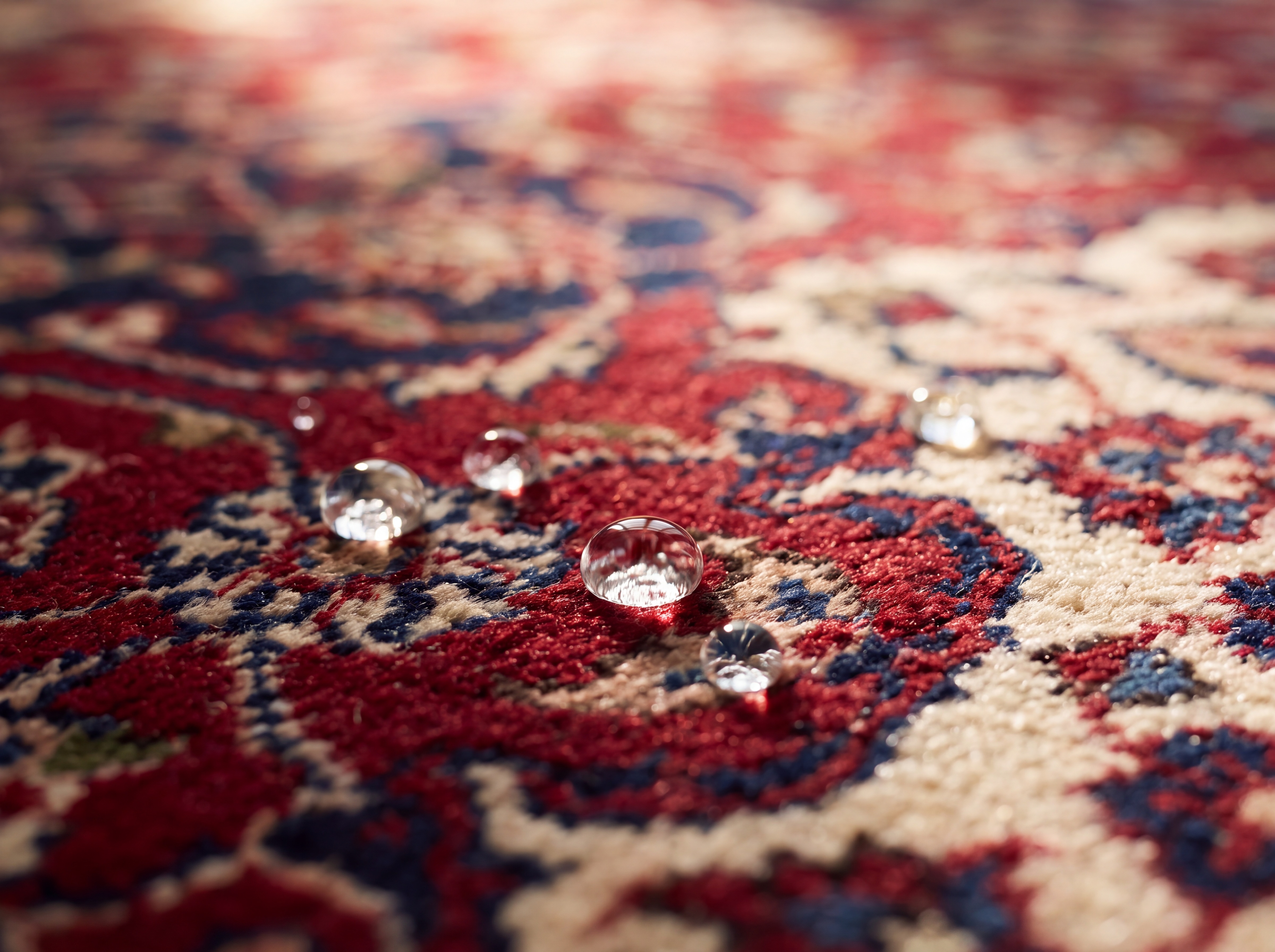
Lanolin-rich wool repels everyday spills and wear.
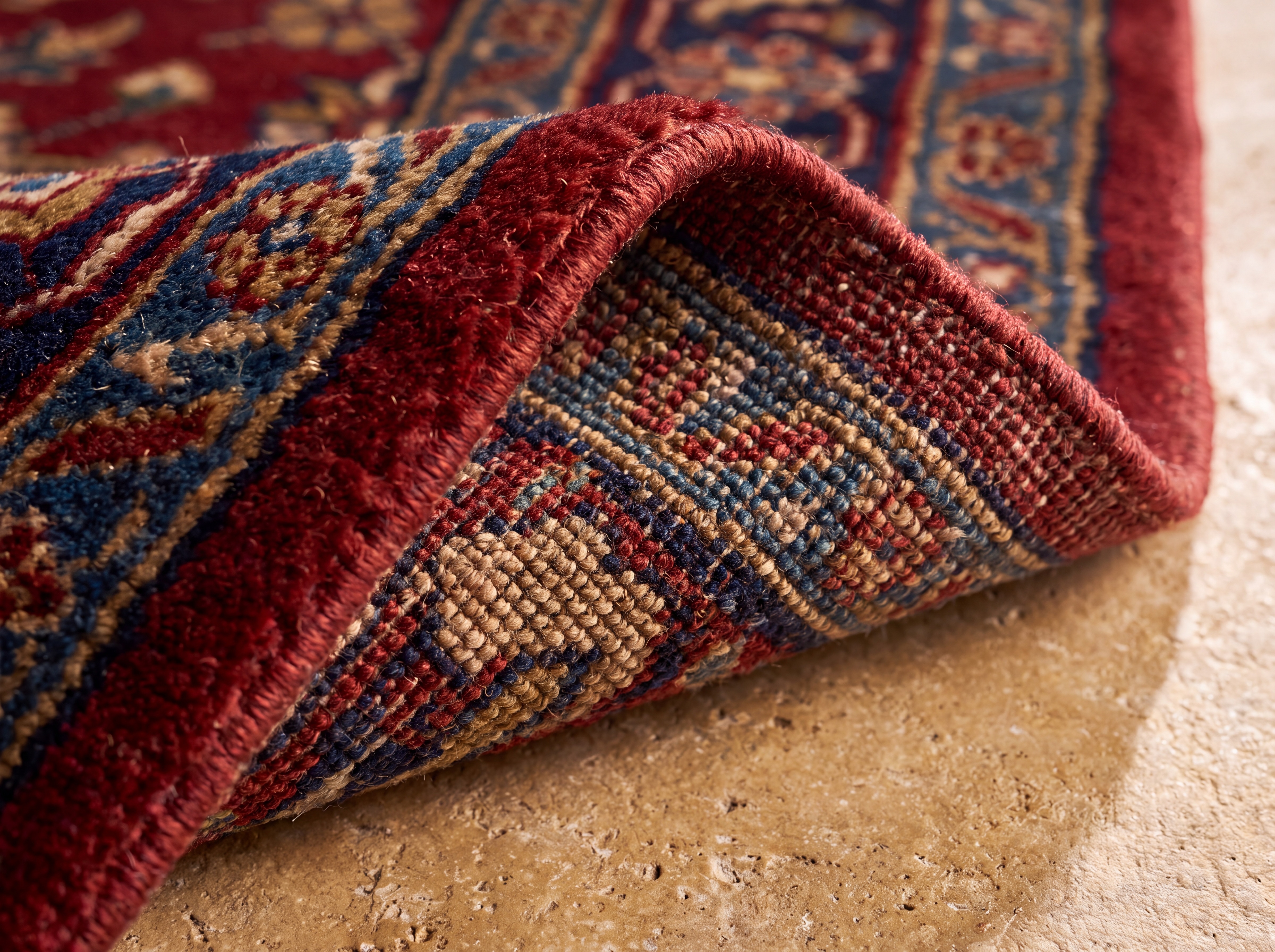
Highland wool paired with luminous mulberry silk.
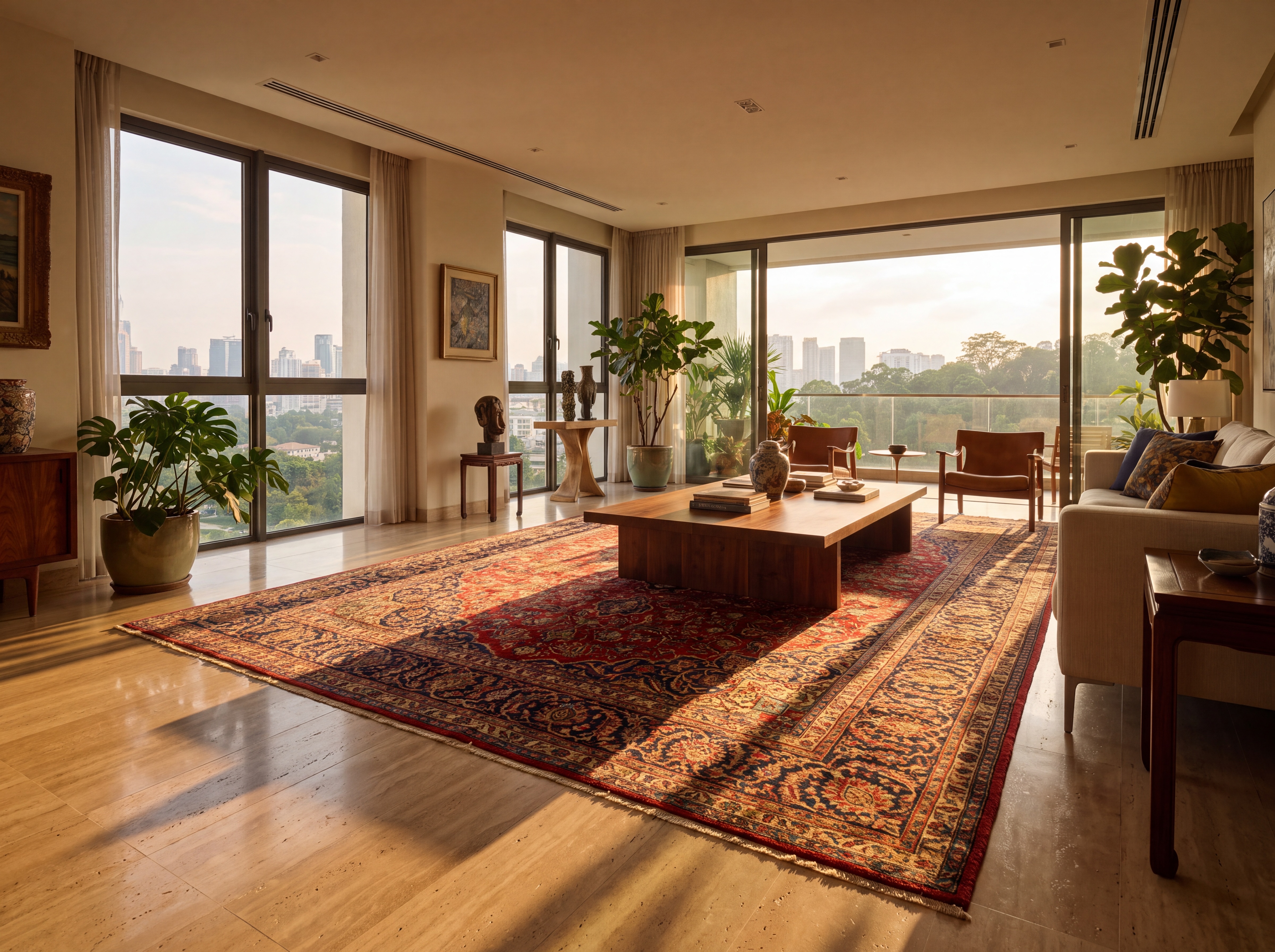
Individually sourced from master looms in Tabriz, Isfahan, Kashan, Qum, and Nain—never machine-made or chemically coated.
Pure cotton or silk foundations breathe naturally on timber and marble floors without trapping humidity.
Combed highland wool resists shedding and grows softer and more lustrous with every decade of use.
Months of hand-knotting ensure no two pieces share the exact same tension, border cadence, or abrash depth.
Rug Comparison Guide | 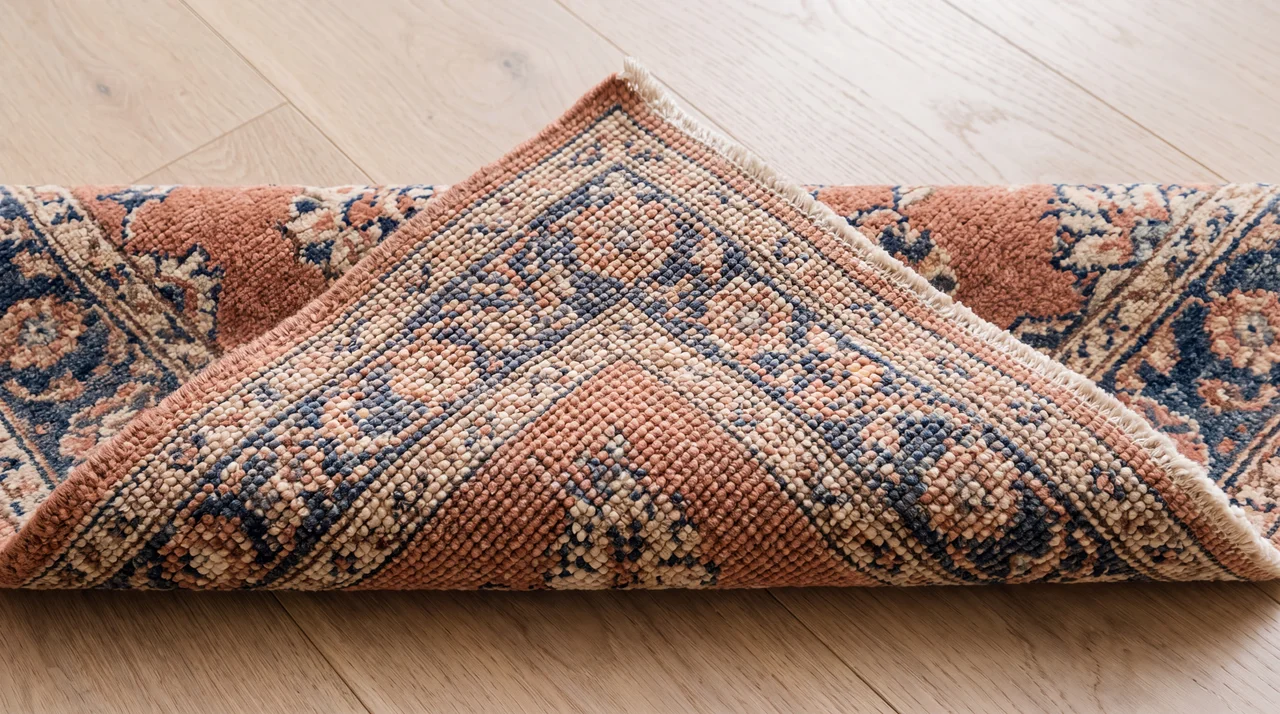 Hand KnottedCrafted knot by knot. Made for generations. Persian · Modern · Tribal This rug’s construction | 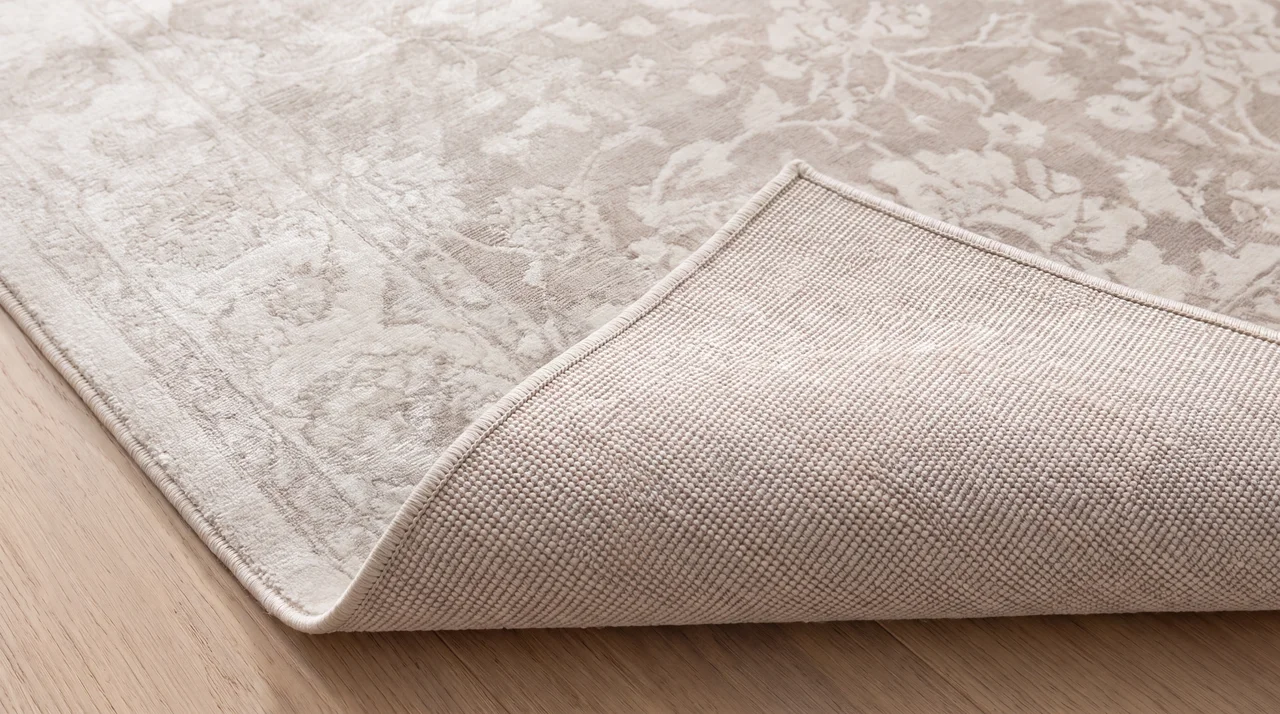 Machine MadeFine detail. A beautifully consistent finish. Bespoke collection | 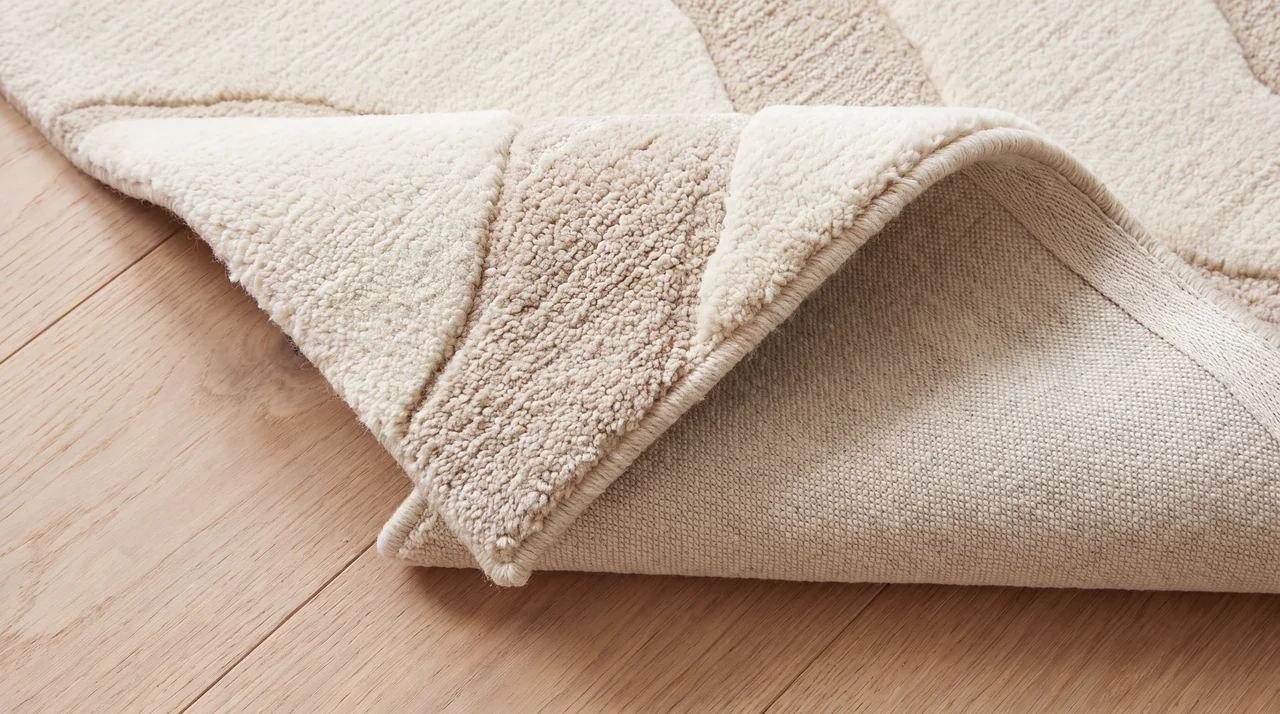 Hand TuftedYour shape, your palette, your feel. Custom rugs |
|---|---|---|---|
| Manufacturing method | Individually hand tied Each knot is tied onto a woven foundation. | Precision machine woven A powered loom creates a fine, uniform weave. | Tufted by hand Yarn is inserted into a canvas, then backed and finished. |
| Feel | Naturally soft Varies with fibre, knot quality and pile height. | Soft to exceptionally soft Extremely soft in pure silk; soft in wool. Other fibres vary. | Customisable Adjust pile height and density for a plush or firmer feel. |
| Perfect for | Across the home Durable wool for busy rooms; silk-rich pieces for quieter spaces. | Comfort & decorative detail Living rooms and bedrooms. Choose the fibre for your foot traffic. | Across the home, tailored to you Specify wool for everyday use or silk accents for gentler spaces. |
| Lifespan | Can last 100+ years* Heirloom potential with appropriate care and repair. | Around 10 years* An indicative lifespan with suitable use and care. | Up to 20 years* With proper care of the pile and backing. |
| Materials | Natural wool & silk The balance of wool and silk varies by rug. | Varies by design Wool, bamboo silk and other options. Check the listed material. | Wool & bamboo silk Choose your material and blend to suit the brief. |
| Care | Vacuum gently Rotate periodically. Specialist cleaning for silk and deep cleans. | Follow the fibre Gentle vacuuming. Silk and bamboo silk need particular spill care. | Protect the backing Gentle vacuuming; avoid soaking. Use a specialist for deep cleaning. |
| Customisation | Choose your piece Find the right size, pattern and palette in the collection. | Choose your size Available dimensions vary by design. | Fully made for you Shape, size, palette, material, pile height and density. |
| Explore | Hand knottedExplore hand knotted rugs | BespokeExplore bespoke rugs | CustomCreate your custom rug |
*Lifespans are indicative, with suitable use and care. Fibre, construction, backing and foot traffic affect longevity. Silk and bamboo silk need more delicate care than wool. Construction images are illustrative.
Tabriz Vase and Floral Ivory
Price on Inquiry